
On the morning of 30 January 2026, the project “Nature-based practices and aquaculture adaptation to climate change in Thailand and Vietnam” (AQUADAPT-Nature), funded by IDRC and the Government of Canada, and led by the Unit for Social and Environmental Research (USER) at the Department of Social Science and Development, Faculty of Social Sciences, Chiang Mai University in Thailand, with the Vietnam component implemented by the College of Aquaculture and Fisheries, Can Tho University, organized the workshop “Nature-based aquaculture and climate change adaptation in the Mekong Delta” at the College of Aquaculture and Fisheries in Can Tho, Vietnam.
The workshop was attended by Mr. Boripat Lebel, the project coordinator from USER at Chiang Mai University, along with more than 50 leaders and technical and management staff from the Vietnam Academy of Fishery Sciences, the Departments of Agriculture and Environment, and the Departments of Science and Technology of Ca Mau, Kien Giang, Vinh Long, and Dong Thap provinces. Also in attendance were leading farmers, representatives from Cuu Long University and Bac Lieu University, as well as lecturers, Ph.D. candidates, and Master students from Can Tho University.
Nature-based Solutions (NbS) are one of the more recent approaches promoted by international organizations, often with conservation and natural resource management missions, to address a range of environmental problems. Nature-based aquaculture offers an integrated and sustainable approach to climate adaptation by harnessing the power of natural ecosystems to mitigate risks and enhance resilience
At the workshop, the research team presented the results of a survey of 1,064 aquaculture households across 10 common farming models in the Mekong Delta, Vietnam, including: intensive shrimp farming, shrimp-rice, shrimp-mangrove, oyster, blood cockle, and fish-rice. The team highlighted the “nature-based” characteristics and levels of adaptation and resilience to climate change impacts of these farming models.
In addition, the workshop encouraged participants to share insights around the technical and economic aspects that could be improved or innovatively adapted based on existing scientific and Indigenous knowledge. Several participants expressed interest in co-developing pilot demonstration models with the project team in Vietnam.
The findings from the survey and demonstrations will be synthesized into policy briefs and recommendations for local and national authorities to consider in policy development and implementation. Furthermore, the study findings will also contribute to refining the concept of Nature-based Solutions, particularly in the aquaculture sector.
The project will continue until February 2027, with the expectation of generating valuable results that help enhance the nature-based and climate-resilient capacity of aquaculture systems, especially in the Mekong Delta.
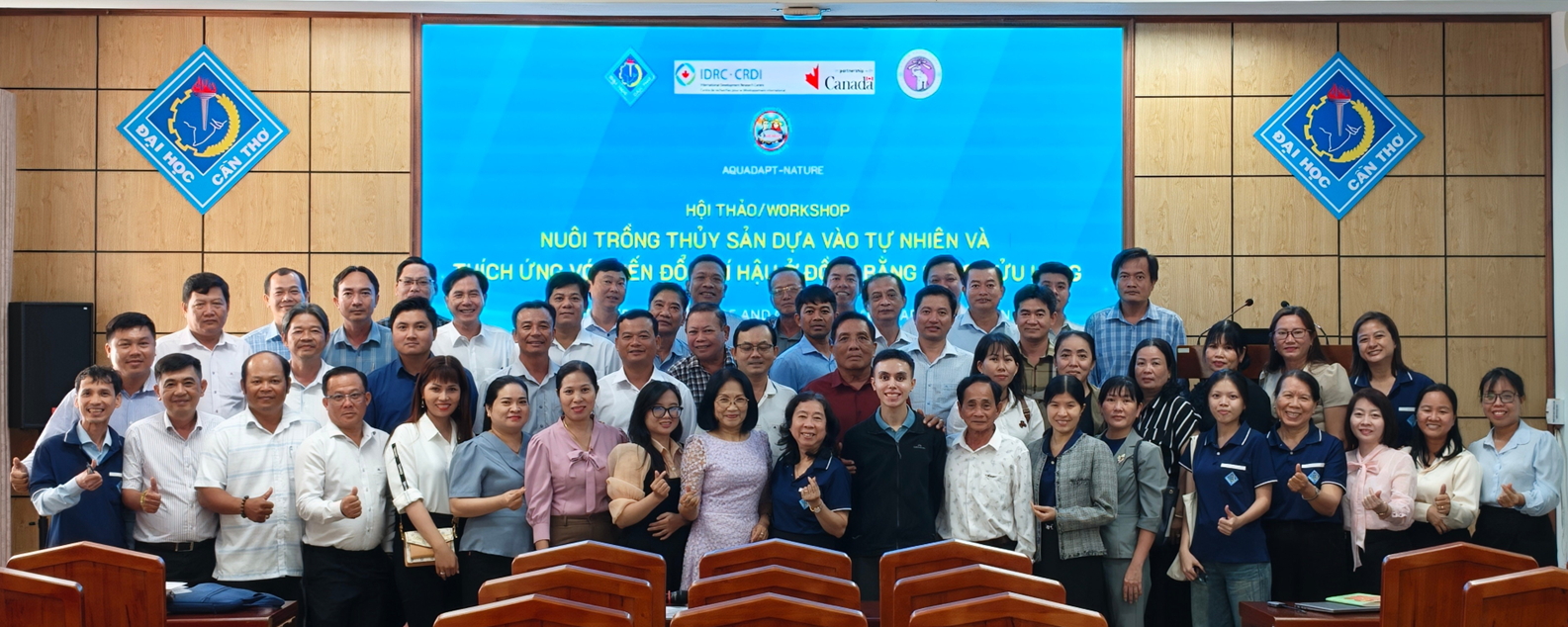 Group photo of participants
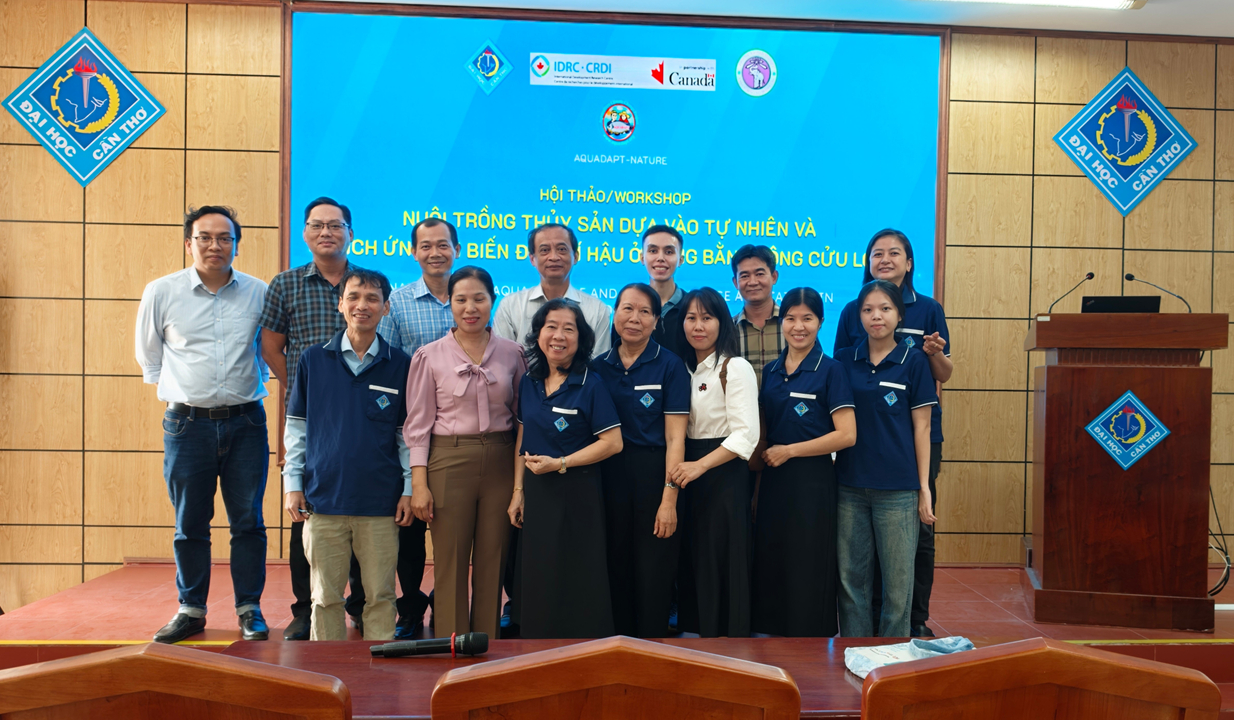
AQUADAPT-Nature research team

Mr. Boripat Lebel, Project Coordinator, introduces the AQUADAPT-Nature project
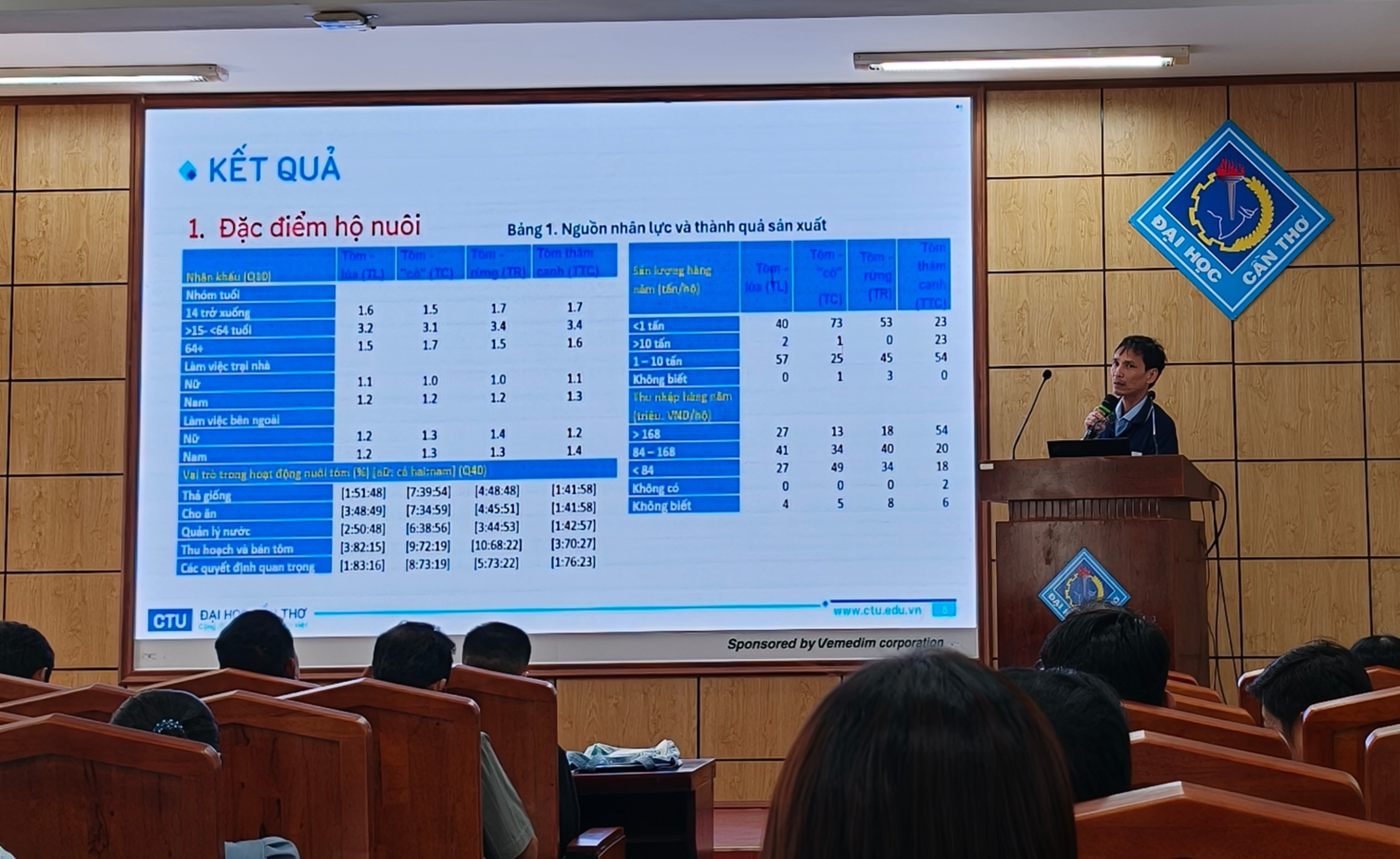
A/Prof.Dr. Vo Nam Son presents the study results
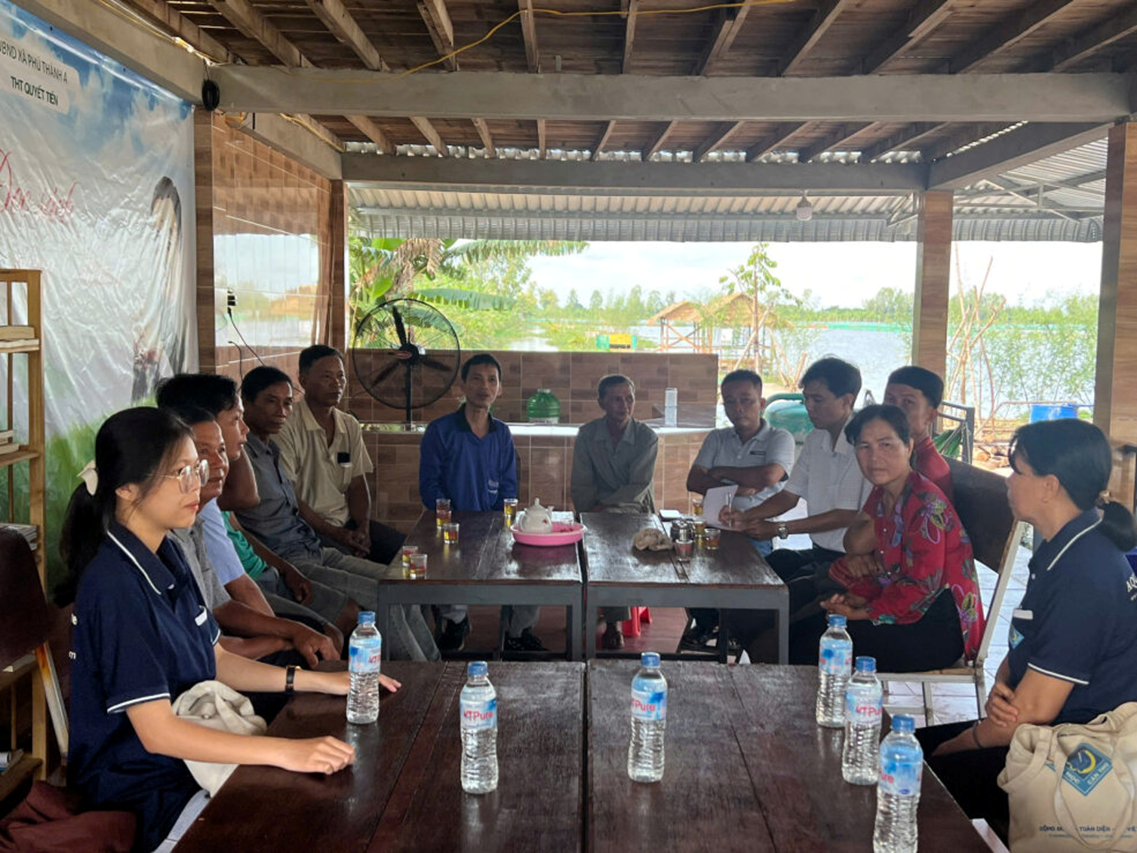
Discussion of research team with farmers
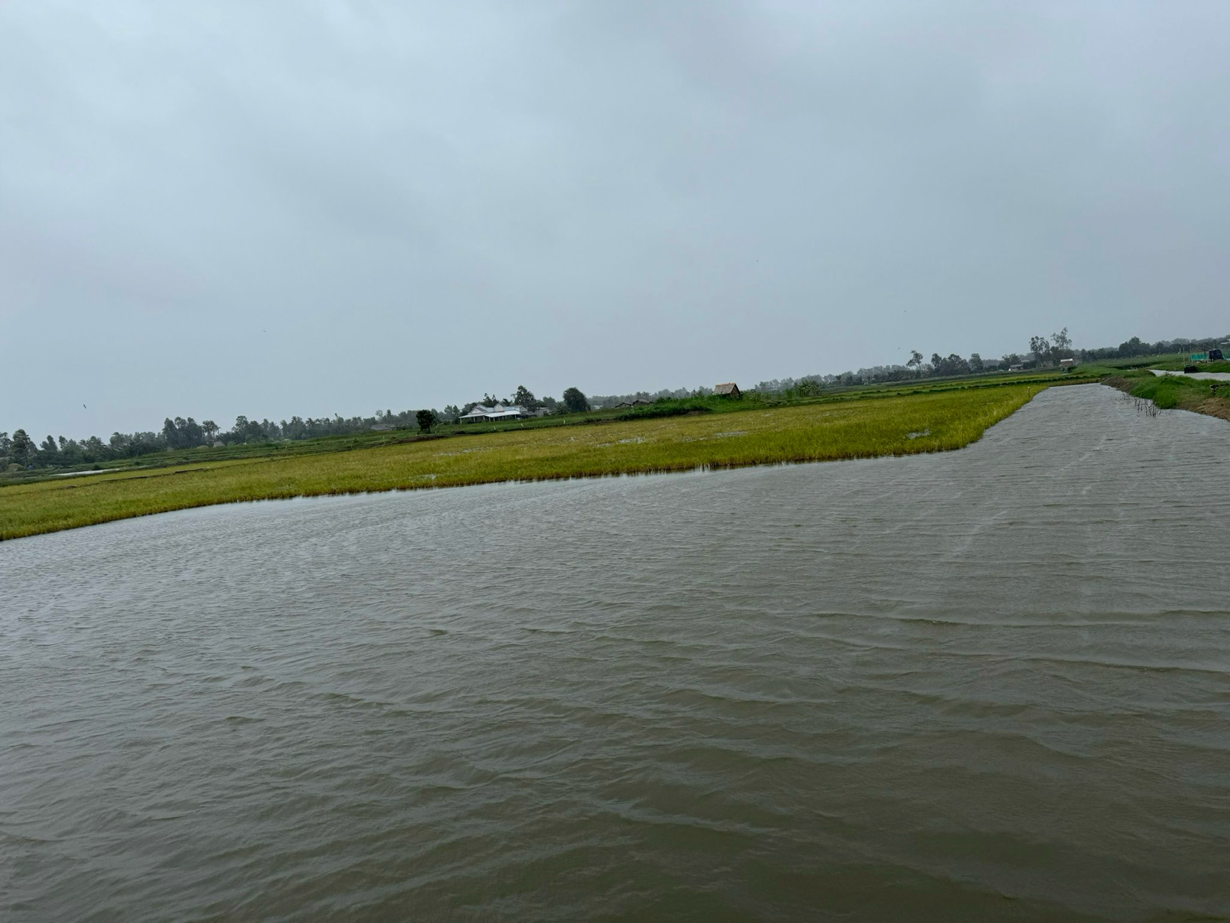
Rice-shrimp alternative farming model

Integrated mangrove-shrimp farming model
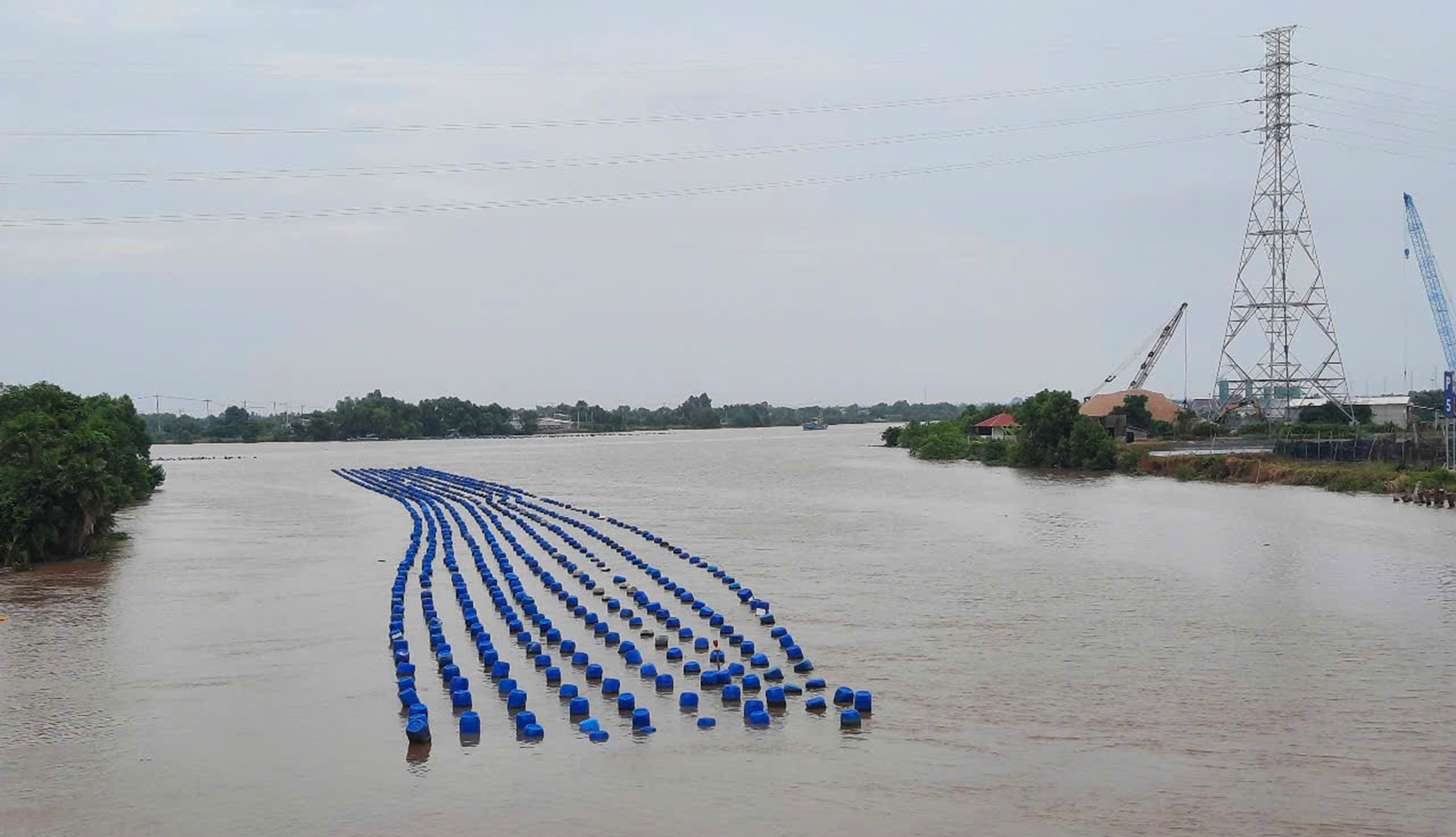
Riverine oyster farming model
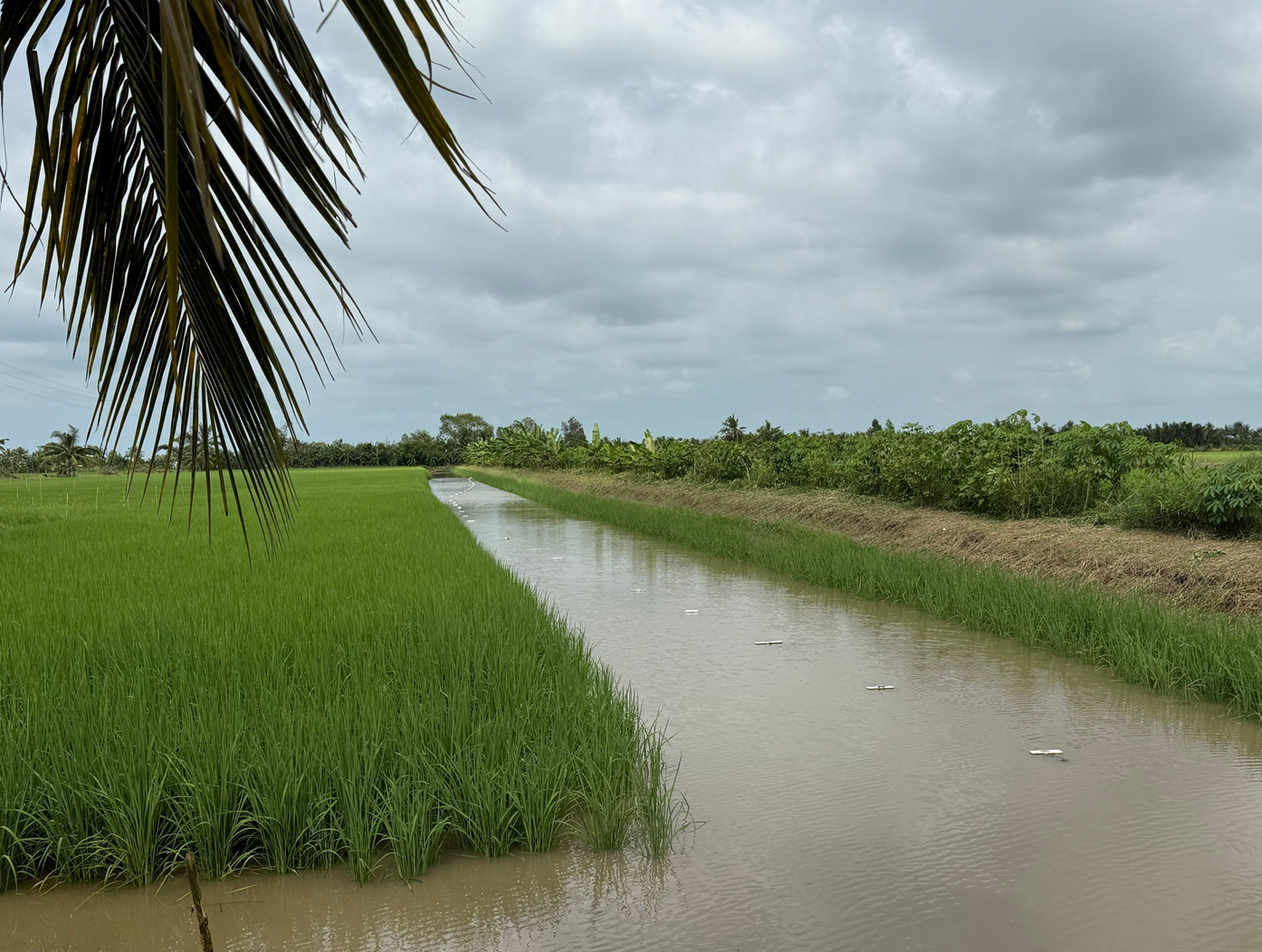
Rice-fish integrated farming model
Department
Video Clips
 |